A Bresse grows out through four visible stages: the brooder, where they are indoor chicks under heat; first range, where they dart through the coop door and back; full pasture, where they become working foragers; and finishing, where table birds move to a quiet pen and lay on the breed's marbling fat. Each stage has its own look. This page helps you recognize them; the exact routine lives in the Field Guide chapters and the club.
What are the grow-out stages of a Bresse?
Four stages, and the useful thing about them is that each one looks different from the last. You do not need a calendar to tell them apart — you need to know what you are looking at. The table below is the recognition guide; the sections after it walk through why the stages carry more weight for this breed than for most, and how to read the hand-off from one to the next. What the table does not give you is the schedule: the heat, the feed, and the week-by-week routine that run inside each stage all live in the Field Guide chapters and the club, because that is the how, and this page is the what.
| Stage | What you'll see | Roughly when |
|---|---|---|
| Brooder | Fluffy chicks indoors under a heat source, sleeping flat and busy in bursts | The first several weeks |
| First range | Birds venturing out the coop door and scurrying back, feathering out, gaining nerve | Around the outdoor move |
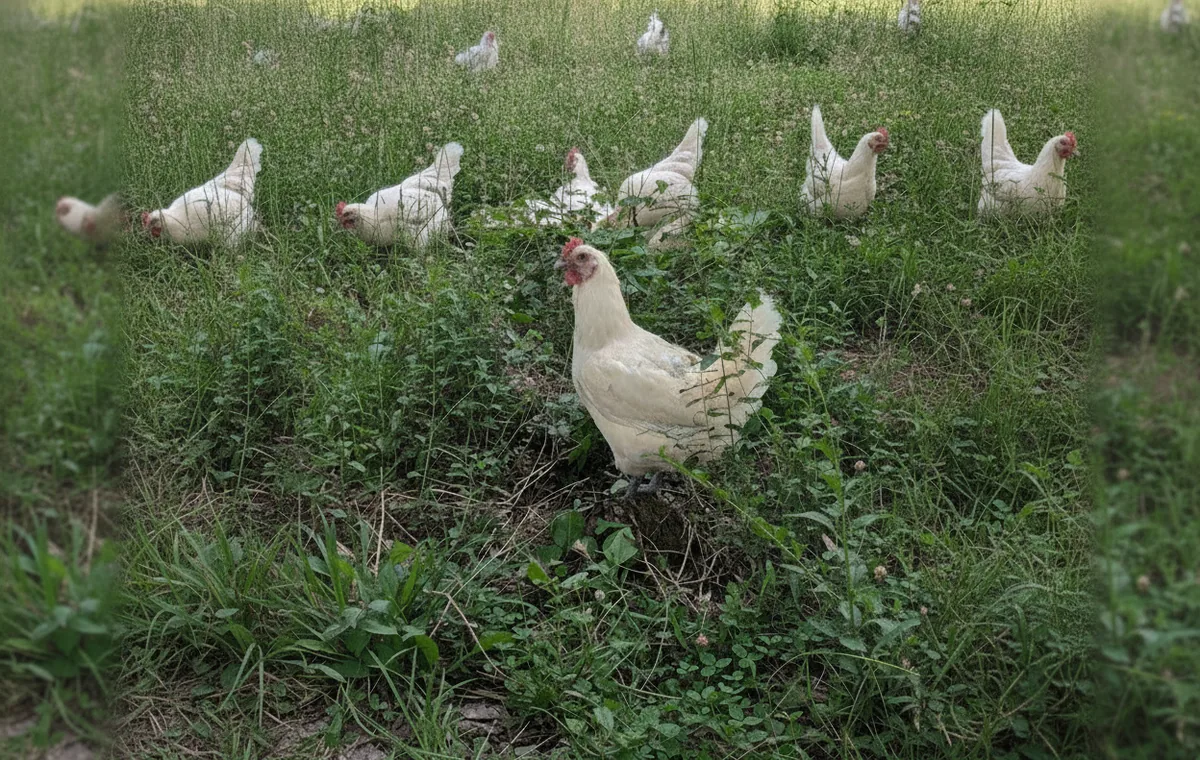
| Full pasture | Confident foragers ranging all day, leaving a full feeder to chase a grasshopper | The long middle |
| Finishing | Table birds in a quiet pen, filling out through the breast and flank | The final stretch, ~14–19 wks |
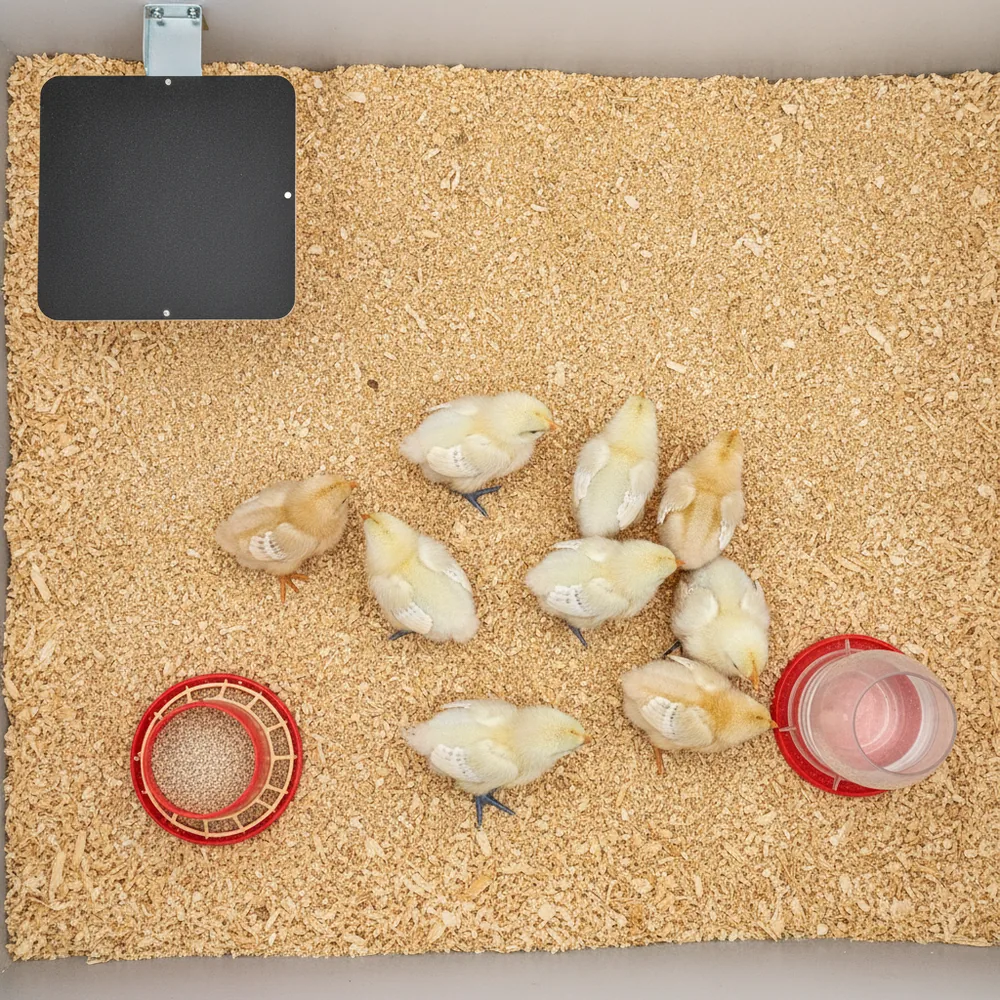
Why the stages matter more for a Bresse
For most meat birds the stages are just growth. For a Bresse they are where the quality of the bird is decided: raised without ranging room and a deliberate finish, it never shows what it is, while one raised through its stages on purpose is the bird France protected by law — the breed story told in full at AmericanBresse.com. That is why recognizing the stages is worth your attention: each stage builds something the next one cannot add back.
First range teaches the birds to hunt, and birds that start ranging early become better foragers for life. Full pasture is where activity and varied forage build the base flavor and the frame. Finishing is where fat weaves into the muscle and the carcass becomes what the breed is famous for. Miss the character of a stage and you do not get a second pass at it. Knowing what each one should look like is how you catch a flock that has stalled — birds that will not leave the feeder, or a finish that is not filling out — while there is still time to adjust.
Which stage are my birds in right now? When do they move out of the brooder? Get Your Answers Live at the Weekly Coffee Hour Q&A.
Join the call on Monday (Free)Reading which stage your birds are in
The hand-offs between stages show up in the birds before any calendar date. Full feathering and steady day trips outside tell you the brooder is behind you. Confident, all-day foraging tells you the flock has reached full pasture. Thickening condition through the breast and flanks tells you finishing has begun. Those signs are the signal; the ages are only a rough expectation to hold loosely, because weather, feed, and the individual flock all move the timing.
The detailed readiness checks, the heat and feed inside each stage, and the day-to-day routine are the how, and the how lives in the Field Guide chapters below and inside the club, where keepers a season ahead can look at your birds and tell you which stage they are in. Two neighboring pages round out the picture: what the whole arc costs and how long it takes, and the space each stage needs. When males start to spar during the pasture stage, the sort is its own subject over in the rooster guide, and the everyday feed schedule is on the feeding page.
Take the guide with you
This chapter lands in your inbox with the rest of the guide: all 6 chapters. Then the working emails start, one job at a time: penciling the budget, switching feed phases on schedule, making the keep-or-table call. They run until a French-quality table bird comes off your own ground.
Grow-out stage questions, answered
What are the grow-out stages of an American Bresse?
There are four you can see: the brooder, first range, full pasture, and finishing. In the brooder they are indoor chicks under heat. At first range they venture through the coop door and back. On full pasture they are working foragers building muscle. In finishing they move to a quiet pen and put on the marbling fat the breed is known for. Each stage has a distinct look, which is how you know which one your birds are in.
How long does each Bresse grow-out stage last?
As a rough expectation, the brooder covers the first several weeks, first range and full pasture carry through the long middle, and finishing lands the bird at 14–19 weeks overall. Treat those as windows, not a stopwatch. Birds move at their own pace, and the exact week-by-week schedule is set by your weather, feed, and flock rather than a fixed calendar.
How do you know when a Bresse is ready for the next stage?
You read the birds, not the calendar. Full feathering and steady day trips outside signal the end of the brooder; confident all-day foraging signals full pasture; and thickening breast and flank condition signal finishing. Learning to read those signs is the skill, and the detailed checks live in the Field Guide chapters and inside the club.
What is the finishing stage in Bresse grow-out?
Finishing is the final stretch, when a table bird leaves the range flock for a quiet pen and richer feed so fat weaves through the muscle rather than just under the skin. It is what separates a Bresse dinner from a plain farm chicken. The stage is a craft with its own routine and readiness checks, covered step by step in the Field Guide chapters and the club, not on this page.